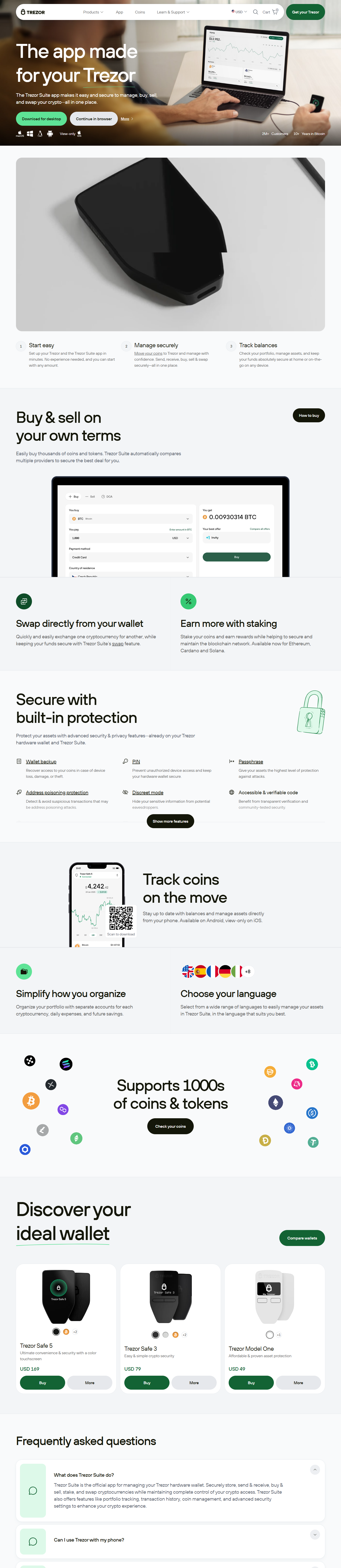
Trézor.io/Start® — Step-by-Step Guide to Starting Your Trezor® Device
Cryptocurrency gives you control over your finances, but that control depends on how securely you manage your assets. A Trezor® hardware wallet is one of the safest ways to store cryptocurrency because it keeps your private keys offline and under your control. If you are a new user, starting up your Trezor device properly is essential for security and usability.
Trézor.io/Start® is the official portal where Trezor guides you through the process of initializing, setting up, and protecting your device. This guide explains every step from unboxing to securing your crypto portfolio.
Why You Should Start Your Device Properly
When it comes to cryptocurrency, mistakes can be costly. Setting up your Trezor wallet correctly ensures:
Private Key Security: Your keys never leave the device.
Recovery Readiness: You can recover your wallet if the device is lost or stolen.
Transaction Safety: Only authorized transactions are approved on the device.
Privacy: Personal and financial data stays secure.
Starting your device with Trézor.io/Start® helps prevent common setup errors and ensures your crypto is fully protected from the beginning.
Step 1: Visit Trézor.io/Start®
Begin by going to the official Trezor startup page: https://trezor.io/start
Here, you will be guided to download Trezor Suite, the official companion app for managing your device and cryptocurrencies. Trezor Suite works on Windows, macOS, Linux, and also provides a web version.
Internal Linking Suggestion:
Link to Trezor Suite Installation Guide:
/trezor-suite-installation
Step 2: Unbox Your Device
Carefully unbox your Trezor® device. Check that:
The package is sealed and untampered
The device and accessories are present (hardware wallet, USB cable, recovery cards)
Trezor devices come with a recovery seed card, which is essential for backup. Keep it safe — do not store digitally or online.
Internal Linking Suggestion:
Link to Trezor Security Best Practices:
/trezor-security-tips
Step 3: Connect Your Device to Trezor Suite
Connect your Trezor to your computer using the supplied USB cable.
Open Trezor Suite or the web-based setup page.
The app will detect your device and prompt you to start the setup process.
At this stage, you can choose to set up a new wallet or recover an existing one using your recovery seed.
Internal Linking Suggestion:
Link to Recover Wallet Guide:
/trezor-wallet-recovery
Step 4: Create a New Wallet
If you are a new user, follow these steps:
Click Create New Wallet in Trezor Suite.
Confirm your device by pressing the button when prompted.
The device will generate a random recovery seed — a set of 12, 18, or 24 words.
Write these words on the recovery card in the exact order displayed.
Important: Do not store your seed on a computer, phone, or online cloud storage. Anyone with this seed can access your funds.
Internal Linking Suggestion:
Link to Seed Phrase Management Tips:
/trezor-seed-safety
Step 5: Set a PIN
After generating your recovery seed, Trezor will prompt you to set a PIN. The PIN protects your device from unauthorized access.
Use a PIN that is unique and not easily guessable.
Each device press adds a layer of protection.
Do not share your PIN with anyone.
This step ensures that even if someone gains physical access to your device, they cannot use it without your PIN.
Internal Linking Suggestion:
Link to Trezor PIN Security Guide:
/trezor-pin-guide
Step 6: Backup Your Recovery Seed
Your recovery seed is the most critical backup. Follow these tips:
Store it in a secure, offline location
Do not photograph or digitally copy the seed
Consider using a fireproof safe or encrypted metal backup
If your Trezor device is lost, stolen, or damaged, this seed is the only way to recover your crypto.
Internal Linking Suggestion:
Link to Recovery Seed Backup Options:
/trezor-seed-backup
Step 7: Customize Settings in Trezor Suite
Once your device is initialized:
Name your device
Enable optional passphrase protection for additional security
Connect to supported wallets or exchanges if needed
Explore the portfolio management and analytics tools
Trezor Suite also allows you to monitor multiple accounts and cryptocurrencies in one interface.
Internal Linking Suggestion:
Link to Trezor Suite Overview:
/trezor-suite-overview
Step 8: Sending and Receiving Cryptocurrency
After setup:
To receive crypto, generate an address from Trezor Suite and share it.
To send crypto, enter the recipient address and confirm the transaction on your device.
All transactions require physical approval on the device, keeping your funds safe from malware and phishing attacks.
Internal Linking Suggestion:
Link to How to Send & Receive Crypto Safely:
/trezor-send-receive-guide
Step 9: Keep Your Device and Software Updated
Trezor firmware updates ensure the highest level of security.
Check for firmware updates regularly via Trezor Suite
Only download updates from official sources
Keep Trezor Suite updated for compatibility and performance
Updating your device ensures protection against newly discovered threats and vulnerabilities.
Internal Linking Suggestion:
Link to Firmware Update Guide:
/trezor-firmware-update
Step 10: Best Practices for Long-Term Security
To maintain long-term security of your cryptocurrency:
Never share your PIN or recovery seed
Avoid using public or untrusted computers
Consider using a metal backup for your recovery seed
Regularly review account activity in Trezor Suite
Following these practices ensures that your crypto remains secure for years to come.
Internal Linking Suggestion:
Link to Advanced Trezor Security Tips:
/trezor-advanced-security
Conclusion
Starting your Trezor® device correctly is the foundation of safe crypto ownership. Using Trézor.io/Start® ensures that you follow a secure, step-by-step process from unboxing to managing your assets. By combining Trezor Suite, PIN protection, and secure recovery practices, you can confidently store, send, and receive cryptocurrencies.
Remember: Your recovery seed is your lifeline. Your PIN is your first line of defense. Physical confirmation is your final safeguard.